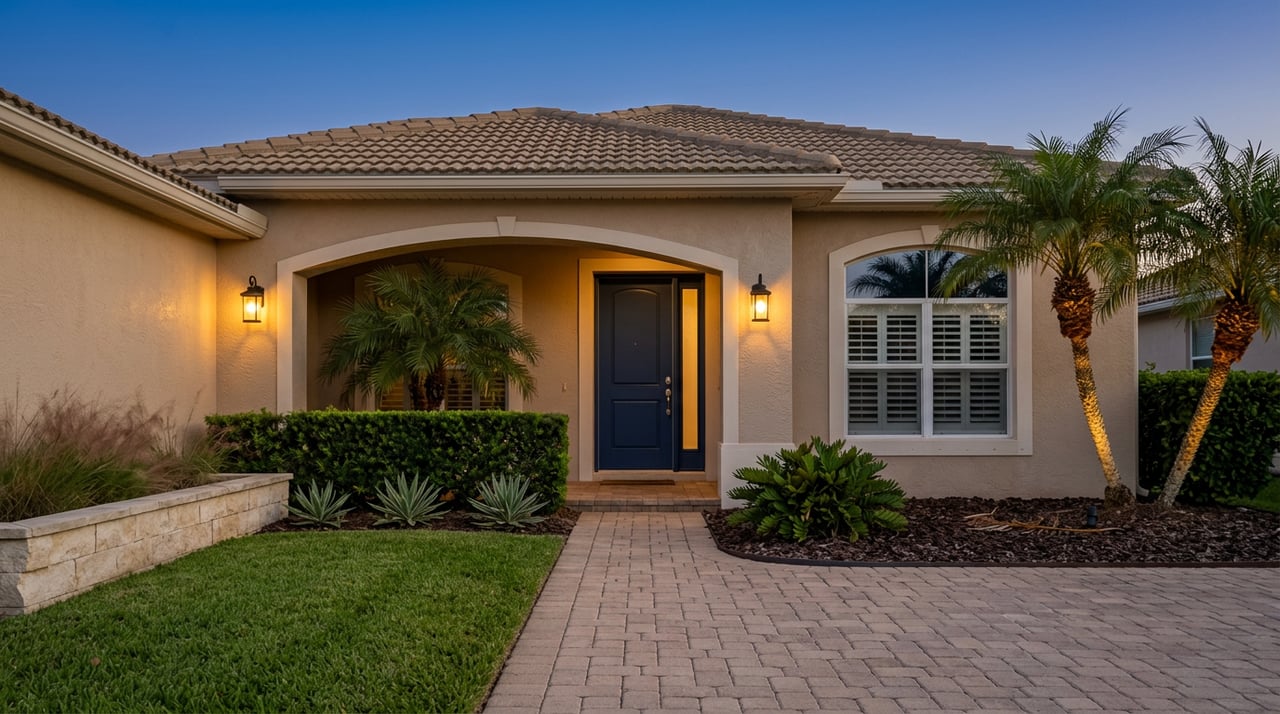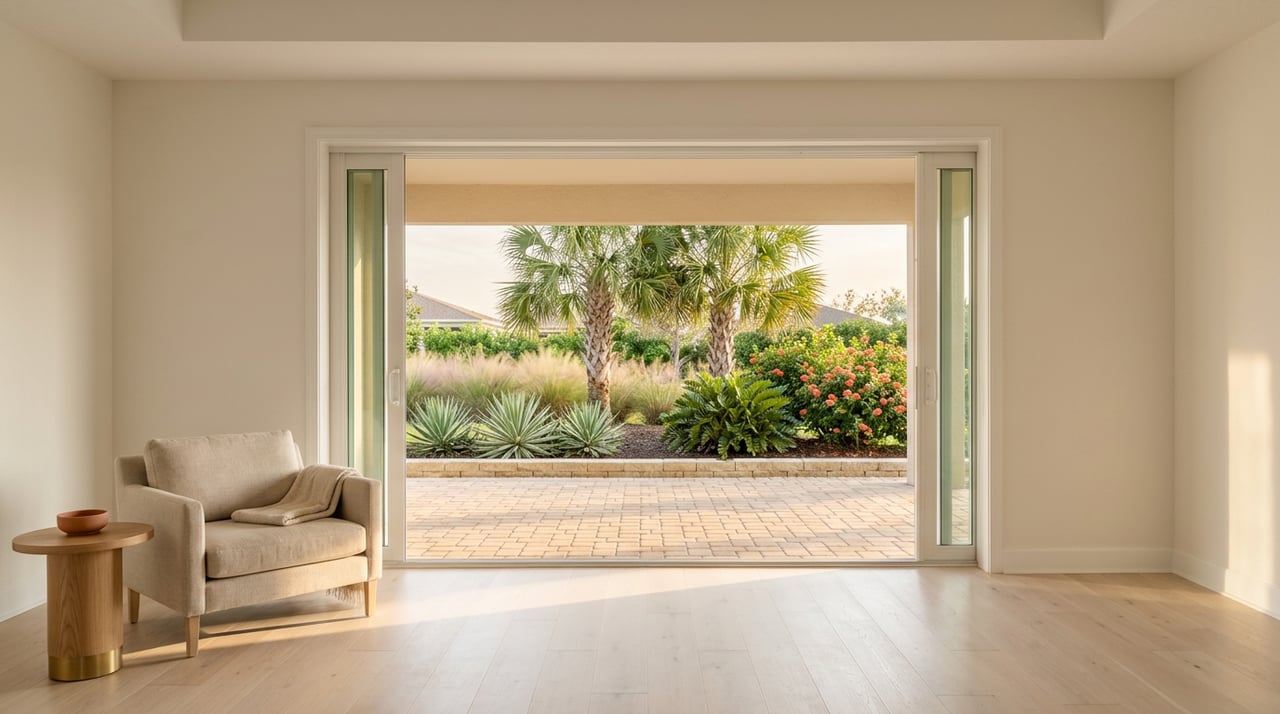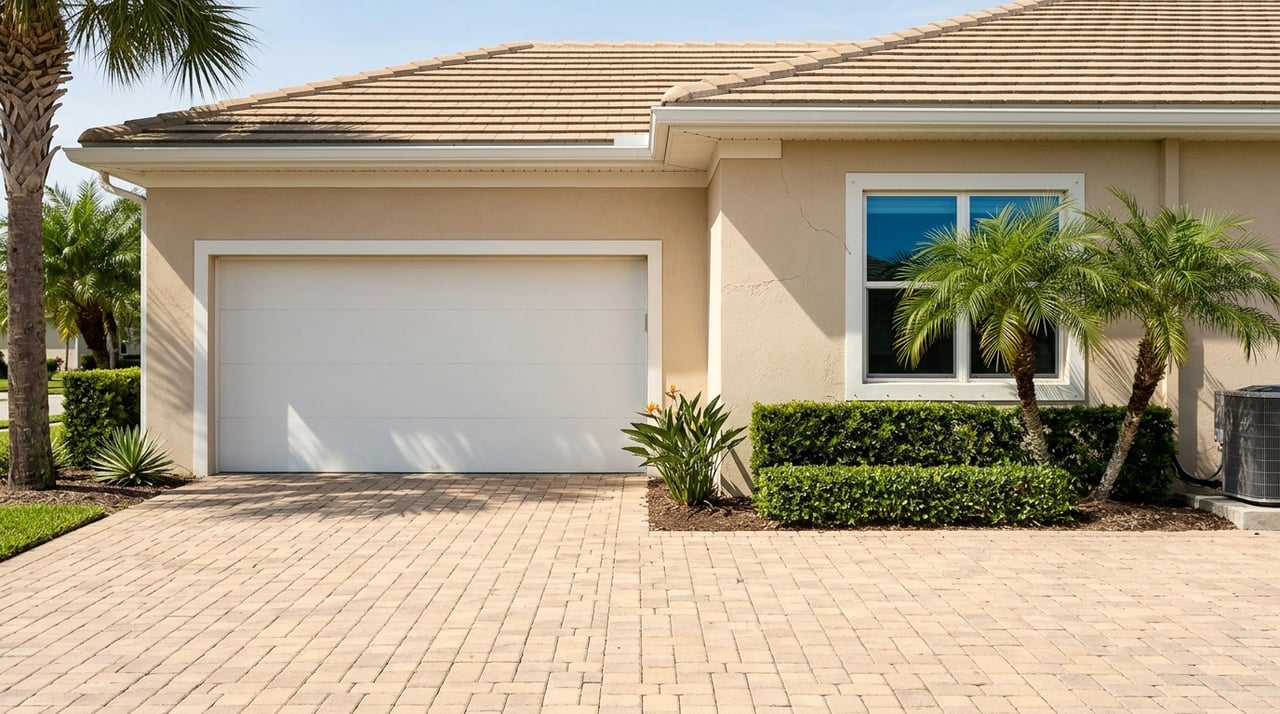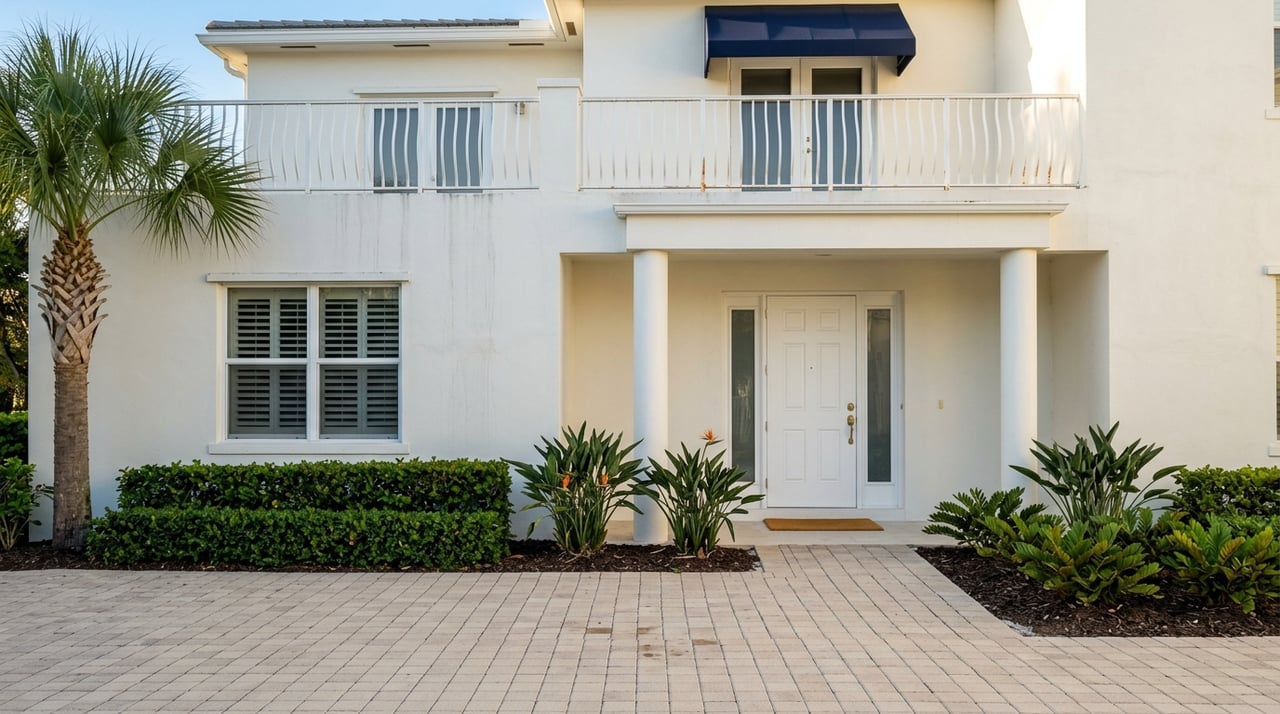
Thinking about buying in Viera West but not sure how to read listings, compare new builds to resales, or make sense of HOA and CDD fees? You are not alone. Master‑planned communities pack in features and options, which can make apples‑to‑apples comparisons tricky. In this guide, you will learn how Viera West works, what affects your total monthly cost, how to spot value, and which documents to pull before you commit. Let’s dive in.
Why Viera West stands out
Viera West is part of a larger master plan that blends neighborhoods, parks, trails, schools, and shopping into one connected community. Within that plan, each sub‑neighborhood has its own lot sizes, home styles, amenities, and fee structure. The result is choice, from townhome‑style options to detached single‑family homes with water or preserve views.
Master plans roll out in phases. Early phases often deliver model rows and key amenities first. Later phases add new sections, parks, and sometimes fresh retail or recreation. If you are eyeing a new section, ask about timelines and what will be built next to your lot over the next few years.
New construction vs resale: what to expect
New construction options
In Viera West you will see a mix of builder offerings. Common options include quick‑move‑in spec homes, model homes released at the end of a phase, and build‑to‑order plans on released lots. The headline price you see is usually a base price. Total cost changes with lot premiums, structural choices, and design center upgrades.
What buyers like about new construction: modern layouts, energy‑efficient features, and a builder warranty. What to watch: deposit schedules, selection deadlines, and the timeline to completion. Incentives can sweeten the deal, but they may require using a preferred lender or title company.
Resale homes
Resales offer immediate occupancy and the potential to negotiate on price or repairs. You can evaluate condition, upgrades, and location without waiting for construction. Be sure to check the age and condition of major systems like roof and HVAC, and compare to recent solds in the same sub‑neighborhood for a realistic value range.
HOA and CDD: what they mean for you
What your HOA may cover
Most Viera West neighborhoods have an HOA that maintains common areas and amenities, manages gates or security where present, and enforces community standards. Fees vary by neighborhood and amenity level. Review the CC&Rs, rules, and budget to understand what is included and any restrictions that could affect your plans.
Understanding CDD assessments
Some sections use a Community Development District (CDD) to finance infrastructure like roads, utilities, and amenities. The CDD is a public entity, and its assessments show up on your property tax bill. CDD charges are separate from HOA dues, and both can apply.
Key questions to ask: Is there a CDD, what is the current annual assessment, and are there outstanding bonds or future assessments planned? Request the assessment schedule and any engineer or bond reports if you see large line items.
How to find exact HOA/CDD numbers
- Check the listing’s HOA and CDD fields, then verify.
- Ask the seller or listing agent for the HOA disclosure packet, budget, rules, and an estoppel letter.
- Review the property tax bill to see CDD assessments. You can verify bills through the Brevard County Tax Collector. A good place to start is the tax collector’s site by searching the property address.
How to read a Viera West listing
Quick listing checklist
Scan these fields first to compare homes side by side:
- Status, product type, and whether it is new construction or resale.
- Year built, builder name, and model plan if new.
- Lot size and setting, including water or preserve views.
- Square footage of living area, beds, baths, garage size, pool, and outdoor living.
- HOA fee and whether a CDD applies, and how each is billed.
- Flood zone designation and elevation information.
- Taxes and tax year, plus recent upgrades or included appliances and landscaping.
Decoding builder pricing and incentives
Builders often advertise a base price. Your total price reflects structural options, design choices, and lot premiums. For spec homes, the list price usually includes installed upgrades. Incentives like rate buydowns or closing cost credits can be meaningful, but they are often time‑limited and tied to using a preferred lender. Compare multiple spec homes and standard inclusion lists to decide what offers the best value.
Interpreting resale details
On resales, focus on effective age, not just year built. A well‑renovated home can be worth more than an older unrenovated one nearby. Review seller disclosures, permits, and recent updates. Then compare to the last 6 to 12 months of sold comps in the same sub‑neighborhood for an accurate read on value.
Timelines and process
Typical closing windows
- Resale with financing typically closes in 30 to 45 days.
- New construction spec homes often close in 30 to 90 days depending on completion.
- Build‑to‑order homes can take 6 to 9 months for production builds, longer for custom or large homes. Permits, weather, and selections can extend timelines.
Key milestones for new builds
Expect a contract with an earnest money deposit and a design deposit for options. Selections happen early and have firm deadlines. Builders usually offer pre‑final and final walk‑throughs, then a punch list. Make sure you receive the written warranty and understand the process to request service items.
Financing and rate locks
New construction financing can differ from a standard resale loan. Ask your lender about rate lock options that match the build timeline. If a builder offers incentives, confirm any lender requirement and whether those incentives offset market rate differences.
Estimating price bands the right way
Exact price points move with supply, demand, interest rates, and builder releases. Instead of chasing a number, use a method that stays current:
- Pull the last 6 to 12 months of closed sales in your specific Viera West sub‑neighborhood.
- Segment by new build vs resale, attached vs detached, and lot types like water or larger lots.
- Calculate median and quartiles for price and price per square foot by segment.
- Adjust for lot premiums, interior upgrades, and any amenity openings.
- Compare to current builder base prices and active listings to gauge trend direction and negotiation room.
What moves a home between bands
- Lot class, such as waterfront or cul‑de‑sac vs interior.
- Size, layout, garage count, pool, and outdoor living.
- Age and condition, including renovations and energy features.
- Builder reputation and standard features.
- HOA and CDD cost and amenity level.
- Flood zone and expected insurance cost.
Verify current numbers and documents
To keep your numbers accurate, verify with primary sources:
- Look up parcel details and assessed values with the Brevard County Property Appraiser. It is useful for confirming lot data and exemptions.
- View the actual tax bill and any CDD assessment lines via the Brevard County Tax Collector.
- Retrieve recorded covenants, plats, and CDD bond documents through the Brevard County Clerk of Court.
- Check flood zones using the FEMA Map Service Center before you quote insurance.
- Confirm contractor licensing or complaint history through the Florida DBPR if you are evaluating builders or remodelers.
- For broader market context, review county‑level trends from Florida Realtors and compare to your MLS comps.
What will I pay monthly?
Your monthly carrying cost is more than the mortgage. Build a realistic budget with these items:
- Principal and interest on your loan.
- Property taxes, including any CDD assessments if applicable.
- Homeowners insurance, including wind and other coverages required by your lender.
- HOA dues and any master association fee.
- Utilities and routine maintenance.
Ask your lender for a pre‑approval that includes estimated taxes, HOA, and any CDD so you know your full monthly picture.
Buyer checklist: from search to closing
Pre‑offer
- Get an MLS summary that shows HOA and CDD fields for each home.
- If new construction, request the builder’s standard inclusion list and model plan details.
- Run sold comps from the last 6 to 12 months in the same sub‑neighborhood and product type.
Contingency period
- Obtain the HOA disclosure packet and an estoppel letter.
- Pull recorded covenants, plats, and any HOA or CDD documents.
- For CDDs, ask for the assessment schedule and whether any new bonds are planned.
- Schedule a home inspection for resales or an independent inspection during new build walk‑throughs.
- Verify flood zone and get insurance quotes.
- Confirm builder warranty terms and any transfer requirements.
Closing
- Confirm how HOA dues and CDD assessments will be prorated and paid.
- Request final HOA estoppel and transfer documents.
- For new builds, verify punch list completion expectations and warranty start date.
Buying in Viera West can be a smart move when you understand how to compare options and verify the details. If you want a second opinion on a listing, help decoding HOA or CDD fees, or a custom comp analysis, we are here to help. Drop us a line and start your Space Coast search with a trusted local partner in your corner.
Ready to explore Viera West with a local guide? Reach out to Angelica Yadira Garcia and let’s talk about your next move.
FAQs
Are there CDD fees in Viera West?
- Some sections use a CDD that shows up on the property tax bill, so verify by reviewing the parcel’s bill through the Brevard County Tax Collector and request any bond schedules from the district.
How long does a new build take in Viera West?
- Production single‑family builds commonly take 6 to 9 months once the lot is released and permits are in place, while spec homes can close in 30 to 90 days depending on completion.
How do I compare Viera West to other Space Coast areas?
- Normalize your comparison for lot type, size, upgrades, HOA and CDD costs, amenity access, flood zone, and distance factors, then use 6 to 12 months of sold comps from each sub‑area.
Is flood risk a concern for buyers here?
- Check the specific lot’s FEMA flood zone using the FEMA Map Service Center and obtain quotes since insurance premiums can impact your monthly budget and value.
What should I look for in a builder warranty?
- Many builders offer a 1‑year workmanship period, 2‑year systems coverage, and longer structural protection, so ask for the full written warranty and understand how to submit service requests.