Ever wonder what your daily routine could look like when the ocean is minutes away and rocket launches sometimes light up the night sky? If you are weighing a move to Melbourne on Florida’s Space Coast, you likely want the real picture of life across the beach towns and the mainland. This guide walks you through the feel of each area, the outdoor routine locals love, and the practical things you need to know about schools, healthcare, commuting, climate, and costs. Let’s dive in.
Neighborhoods at a glance
Melbourne’s coastal life stretches from the barrier‑island beach towns to the Indian River Lagoon and the mainland. Each area sets a different pace and daily rhythm. You will find older bungalows, canal homes with docks, and newer suburban communities all within a short drive of the water.
Barrier island vibe
On the barrier island, towns like Melbourne Beach, Indialantic, and Satellite Beach center daily life on the sand. You can walk to beach access points, grab coffee near small commercial strips, and watch surfers on a breezy morning. Housing ranges from mid‑century cottages to newer oceanfront builds, with some neighborhoods managed by HOAs. Coastal convenience comes with tradeoffs, including flood zones, higher wind and flood insurance, and seasonal beach traffic.
Lagoon and waterfront living
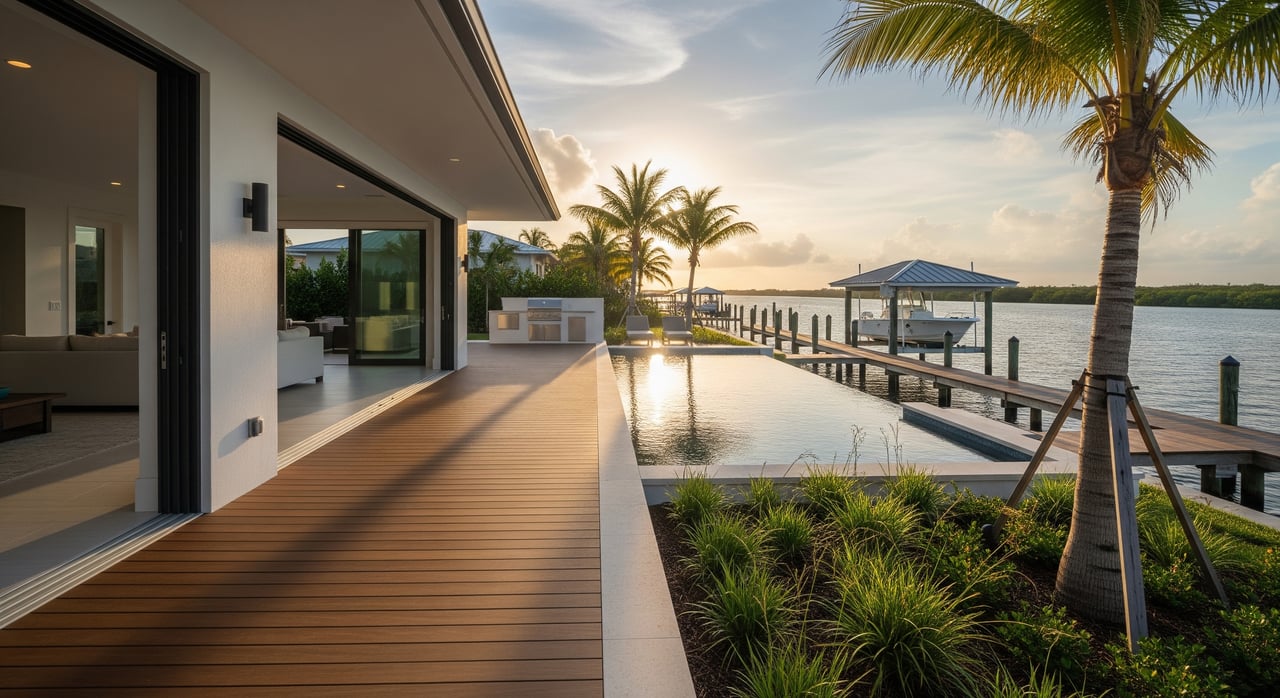
Along the Indian River Lagoon on the mainland, you see boating culture up close. Many homes line canals or sit near the Intracoastal Waterway, where residents launch kayaks, fish at sunrise, or keep a boat at a local marina. You will find a mix of modest properties and upscale residences, and the daily backdrop is calmer water perfect for paddle sports.
Mainland and suburban comfort
If you prefer suburban convenience, mainland neighborhoods give you quick access to shopping, services, and community parks. Viera continues to add newer developments and retail. Closer to the water, Historic Downtown Melbourne and the Eau Gallie Arts District offer walkable streets with galleries, cafés, and events that keep evenings relaxed and local.
Everyday outdoor life
Daily routines here often start outside. Expect beach walks, morning swims, and quick paddle sessions before work when the weather cooperates. Afternoons bring sea breezes and, in summer, passing thunderstorms that cool things down.
Beaches and waterways
Beach towns deliver easy ocean access for swimming and sun. Surf is more consistent up the coast at Cocoa Beach, but local breaks do fire on wind and swell. The Indian River Lagoon and Intracoastal Waterway are the go‑to for kayaking, paddleboarding, and inshore fishing. If you own or rent a dock, hopping on the water can be as simple as stepping into the backyard.
Day trips to wild places
Within a short drive, you can explore Merritt Island National Wildlife Refuge and Canaveral National Seashore, where remote beaches and birding spots feel a world away from town. To the south, Sebastian Inlet draws anglers and surfers and is a favorite for a sunrise start or a low‑key weekend.
Parks, trails, and family fun
On the mainland, Wickham Park is a big green escape with trails and open space. The Brevard Zoo in Viera blends animal encounters with outdoor activities that appeal to many residents. Neighborhood parks dot both the mainland and the island for quick after‑school or after‑work time outside.
Practical daily services
You will want to know how schools, healthcare, and transit work in everyday life. Here is a quick overview to help you set expectations.
Schools and education
Brevard Public Schools serves the Melbourne area. Families often review school boundary maps and state performance reports to confirm options. Higher education adds energy to the city through the Florida Institute of Technology, which brings cultural programming, research, and student life into the mix.
Healthcare access
The Health First system operates hospitals and urgent care facilities that serve Melbourne and nearby communities. You will also find clinics and specialty providers across the county. For advanced specialty care or major trauma centers, some residents travel to larger hospitals in Orlando.
Getting around
US‑1 runs along the mainland while State Road A1A serves the barrier island. I‑95 to the west is the main north‑south route for longer drives. Melbourne‑Orlando International Airport (MLB) offers regional flights, and Orlando International Airport (MCO) is reachable by car in roughly an hour depending on traffic. Space Coast Area Transit provides bus service, though coverage and frequency are limited compared with larger cities, so most residents rely on cars.
Safety and services
The Melbourne Police Department and the Brevard County Sheriff’s Office serve local neighborhoods. For a closer look at trends, residents often review official crime maps and community reports for specific areas. Emergency services vary by jurisdiction, and hurricane preparedness remains an everyday planning item for coastal households.
Climate and seasonality
Melbourne’s climate is humid subtropical. Summers are hot and humid with regular afternoon thunderstorms. Winters are mild and draw seasonal residents, which can mean busier roads and restaurants at peak times.
Hurricane season runs June 1 through November 30, with the busiest stretch typically from August to October. Locals prepare with window protection, storm supplies, and evacuation plans based on zone and elevation. Beach conditions and lagoon access can change with storms, so you will want to keep an eye on local advisories during active periods.
Costs and insurance basics
Coastal living comes with specific costs that you should evaluate early. Oceanfront and near‑beach properties tend to command higher prices. Insurance for wind and hurricanes, plus separate flood insurance where required, is a key budget item. Flood zones and elevation can influence both coverage and premiums.
Property taxes vary by location and assessed value. Utilities differ by provider and by whether your home is on the barrier island or the mainland. Many buyers consult the county property appraiser, utility resources, and insurance brokers to build a realistic monthly picture before making an offer.
Mainland vs island: a day in the life
Both sides of the water have a lot to offer. Your best fit comes down to how you like to spend your time and what tradeoffs you are comfortable with.
- Barrier island mornings feel like a beach town, with quick sand access and local surf checks. You will plan for seasonal visitors, limited parking at popular beach accesses, and insurance that accounts for coastal exposure.
- Mainland days lean toward suburban ease, with more shopping options nearby and a wider variety of neighborhoods. Waterfront pockets along the lagoon deliver boating and paddle sports without the open‑ocean exposure.
- Commutes vary by exact neighborhood. Many residents work in aerospace, healthcare, education, tourism, or commute to Orlando. If you need frequent trips over causeways to the island or back to the mainland, try the drive at your usual hours.
- Storm planning matters in both places. Check FEMA flood maps, local evacuation zones, and the home’s wind protection, and factor those into your decision.
Tips for choosing a neighborhood
- Walk the beach and lagoon areas at different times of day to feel traffic, noise, and parking patterns.
- Review flood zones, elevation, and evacuation routes for homes you are considering.
- Confirm any HOA rules, fees, and restrictions before you fall in love with a property.
- Map your daily route to work, school, and regular errands and test the drive.
- Get insurance quotes early, including wind and flood if applicable, to compare true monthly costs.
- Explore local events, markets, and galleries to see where you feel most at home.
Community life and culture
The social calendar in Melbourne is relaxed and rooted in local flavor. You can browse galleries and murals in the Eau Gallie Arts District, spend an evening in Historic Downtown Melbourne, or head to Viera for shopping and mixed‑use hubs like The Avenue. Dining leans coastal and casual, with seafood staples, family restaurants, and a growing mix of farm‑to‑table spots and craft breweries.
Nightlife is more low‑key than larger Florida metros. Expect live music, brewery patios, seasonal festivals, and occasional beachfront concerts. Space Coast identity is part of daily life, so rocket launches become community moments with neighbors gathering along the riverfront to watch.
Ready to explore homes?
If Melbourne’s coastal rhythm fits your goals, you deserve a local plan that matches how you want to live. Whether you are considering the barrier island, lagoon waterfront, or a suburban enclave, thoughtful prep on insurance, transit, and neighborhood feel will set you up for a confident move. When you are ready to start touring or want a second opinion on the short list, reach out to Angelica Yadira Garcia for warm, bilingual guidance and a clear path forward.
FAQs
What is daily life like in Melbourne’s beach towns?
- Barrier‑island towns such as Melbourne Beach, Indialantic, and Satellite Beach offer easy ocean access, small commercial strips, and a laid‑back surf culture, with older cottages, some newer builds, and coastal insurance and flood zone considerations.
How does mainland waterfront living compare to the island?
- Mainland lagoon neighborhoods offer canal or Intracoastal access for boating and paddle sports, plus broader shopping and services, while avoiding some open‑ocean exposure found on the island.
What should I know about schools in Melbourne?
- The area is served by Brevard Public Schools, and families typically review boundary maps and state performance reports; Florida Institute of Technology adds cultural and academic presence in the city.
How do I get to major airports from Melbourne?
- Melbourne‑Orlando International Airport provides regional service nearby, while Orlando International Airport is roughly an hour’s drive by car depending on traffic.
Is public transit a practical daily option here?
- Space Coast Area Transit runs bus routes, but coverage and frequency are limited compared with larger cities, so most residents rely on cars for daily commuting.
What does hurricane season mean for homeowners?
- Hurricane season runs June 1 to November 30 with peak activity in late summer and fall, so residents plan for window protection, supplies, evacuation zones, and insurance suited to wind and flood risk.
Where can I enjoy nature close to home?
- Merritt Island National Wildlife Refuge, Canaveral National Seashore, and Sebastian Inlet offer remote beaches and wildlife viewing, while the Indian River Lagoon is popular for kayaking, paddleboarding, and inshore fishing.