Selling your home while juggling work, family, errands, and a moving timeline can feel like taking on a second job. If you own a home in Melbourne, the process can move much more smoothly when you know what to prepare early and what can wait. This checklist will help you focus on the tasks that matter most, avoid common delays, and get your home ready for a confident launch. Let’s dive in.
Start With Your Selling Plan
Before you pack a single box, it helps to map out your timeline. Busy sellers usually do best when they break the process into clear phases: pre-list prep, repairs, paperwork, photos and showings, contract, and closing.
Florida residential real estate transactions also come with disclosure and paperwork requirements that are easier to manage when you start early. If you work with a real estate licensee in Florida, that professional is generally presumed to act as a transaction broker unless another relationship is established in writing.
Set Your Ideal Timeline
Think backward from your ideal closing date. If you need to move for work, line up a school-year change, or coordinate another home purchase, your listing schedule should support those goals.
Give yourself extra room for repairs, document gathering, staging, and photography. For many busy owners, the biggest stress comes from underestimating how long the small tasks will take.
Decide What You Can Outsource
You do not have to do everything yourself. One of the smartest moves you can make is deciding early which tasks you want help managing, such as repair coordination, showing logistics, and contract follow-up.
For a busy Melbourne seller, strong coordination can save time at every stage. That matters when you are balancing everyday life with the details of a home sale.
Tackle Repairs First
If your home needs attention, start there. Visible issues can affect buyer interest, show up in inspection reports, and lead to repair requests or price pressure later.
A simple walkthrough can help you spot the items buyers are likely to notice first. Focus on the outside and the high-use areas inside the home.
Use A Quick Walkthrough Checklist
As you walk through your property, look for:
- Roof wear or missing shingles
- Gutter issues
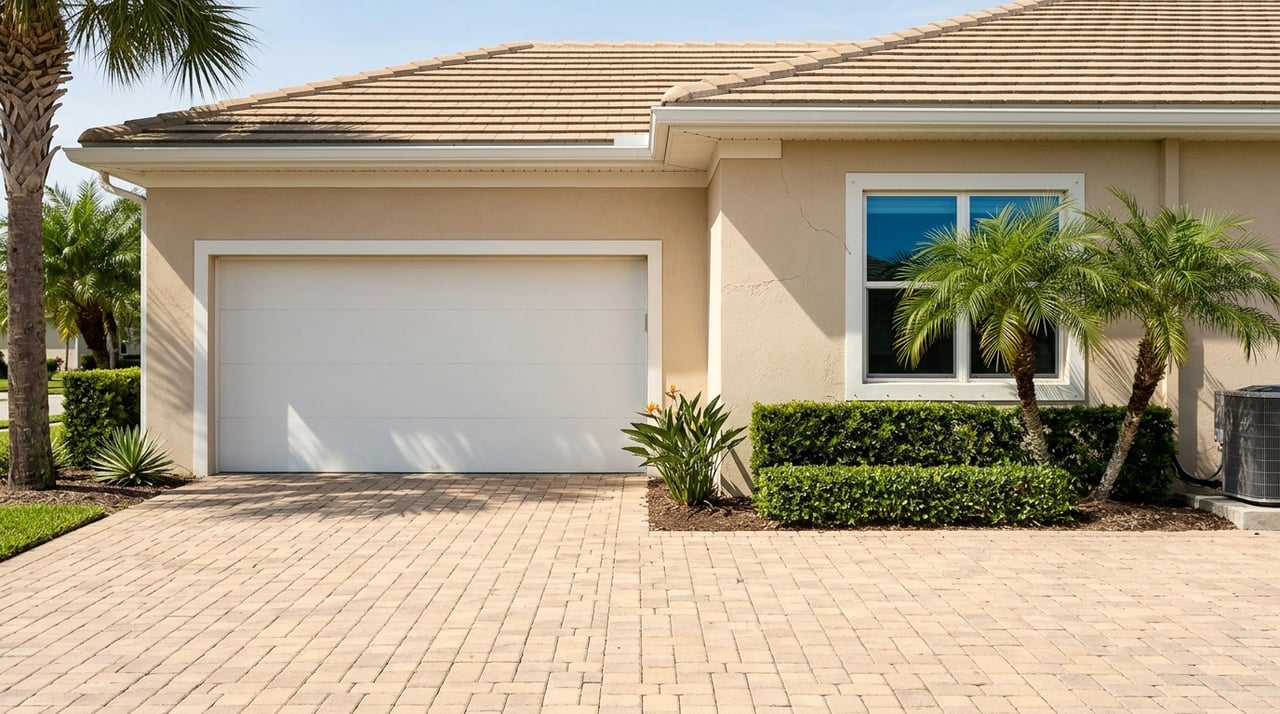
- Cracks or wear on siding or stucco
- Windows or doors that stick or do not close well
- Standing water or drainage concerns
- Signs of leaks on ceilings or walls
- Warped flooring
- Plumbing leaks
- Broken fixtures
- HVAC issues
- Caulk or paint touch-ups
- Lawn or landscaping that looks neglected
These are the kinds of details that can affect a buyer’s first impression in person and in photos.
Check Permit History For Past Work
If you completed work involving building, electrical, mechanical, or plumbing systems, check that the permit trail and final inspection status are complete. In Melbourne, the City of Melbourne Building Section handles permitting, review, and inspection for that type of work.
This step can help you avoid last-minute surprises if a buyer or title company asks for records. It is especially important if updates were done before you owned the home or if you are not sure whether a project was properly finalized.
Be Careful With Older Homes
If your home was built before 1978, lead-based paint rules may apply. Sellers of most pre-1978 homes must disclose known lead-based paint information and provide the required pamphlet to buyers.
If you are thinking about quick cosmetic work before listing, avoid do-it-yourself sanding, scraping, or other paint-disturbing projects unless you know the surfaces are lead-free. Lead-safe practices matter in older homes.
Build Your Seller Paperwork File
A busy owner can save a lot of time by creating one folder for all sale-related documents. This can be a digital folder, a physical file, or both.
Having paperwork ready early helps you answer buyer questions faster and keeps the transaction moving once an offer comes in.
Gather Your Core Documents
Start with these items:
- Recent property tax information
- Your latest TRIM notice, if available
- Permit records for major work
- Repair invoices and contractor contacts
- Appliance or system service records
- HOA or condo documents, if applicable
- Known disclosure items such as flood history or sewer lateral defects
- Lead-based paint materials if the home was built before 1978
In Brevard County, property tax bills are mailed on or before November 1 and become delinquent April 1. Early-payment discounts phase down from November through March, so having current tax records handy can also help as you prepare for closing prorations.
Keep A Repair Log
Create a simple list of repairs or updates you completed, along with dates, invoices, and permit numbers if applicable. This is not just about staying organized. It can also support accurate communication about the property’s condition.
A clean record helps if buyers ask when the water heater was replaced, whether the HVAC was serviced, or who completed a plumbing repair.
Prepare HOA Or Condo Documents Early
If your property is in a homeowners’ association or condominium, do not leave document collection until the last minute. In Florida, these documents can affect contract timing and buyer cancellation rights.
For busy sellers, this is one of the most important ways to reduce closing delays.
HOA Sellers Need The Disclosure Summary
If your home is in an HOA, Florida law requires a disclosure summary before the contract is signed. If it was not provided earlier, the buyer can void the contract within 3 days after receiving it.
That is why it makes sense to have HOA information ready before you accept an offer.
Condo Sellers Need A Larger Document Packet
For condominium resales, Florida requires a current copy of the declaration, articles, bylaws, rules, the most recent annual financial statement and budget, and, if requested, the FAQ document. Some condo sales may also involve milestone inspection and structural integrity reserve study disclosures when applicable.
Because the condo package is more detailed, gathering it early can make a big difference in your timeline.
Request Estoppel Certificates Early
HOA and condo estoppel certificates can slow a closing if you wait too long. In Florida, HOA estoppel certificates must be issued within 10 business days after a written or electronic request, and condo estoppel timing also follows statutory rules.
Requesting these early gives you more breathing room and helps confirm balances, fees, and account status before closing gets close.
Declutter For Photos And Showings
If you are still living in the home, your goal is not perfection. Your goal is a home that feels clean, open, and easy for buyers to picture themselves in.
Decluttering also matters more than many sellers expect because buyers will first see your home online. Photos, staging, video, and virtual tours all play an important role in how buyers respond to a listing.
Focus On What Buyers Notice Most
Start with the biggest visual distractions:
- Extra furniture that makes rooms feel tight
- Personal photos and papers
- Countertop clutter in kitchens and bathrooms
- Overflowing shelves
- Packed closets
- Pet items in main living areas
Do not use closets as hidden storage during showings. Buyers often open them, and overstuffed storage can make the home feel short on space.
Create A Daily Reset Routine
For busy households, a short reset routine is often better than a deep clean every day. Keep a checklist you can finish quickly before a showing.
A practical reset list includes:
- Make beds
- Wipe surfaces
- Empty trash
- Clear counters
- Turn on lights
- Secure or remove pets
- Tuck away personal items
This kind of routine can make showings much easier to manage without turning your whole week upside down.
Make Listing Photos Count
Presentation is not just cosmetic. According to the 2025 Profile of Home Staging, buyers’ agents viewed photos, physical staging, videos, and virtual tours as important listing tools, and 17% said staging increased the dollar value offered by 1% to 5%.
That does not mean every Melbourne home needs full-scale staging. It does mean your home should look clean, bright, and camera-ready before photography day.
Prep The Home For The Camera
Before photos are taken, pay close attention to:
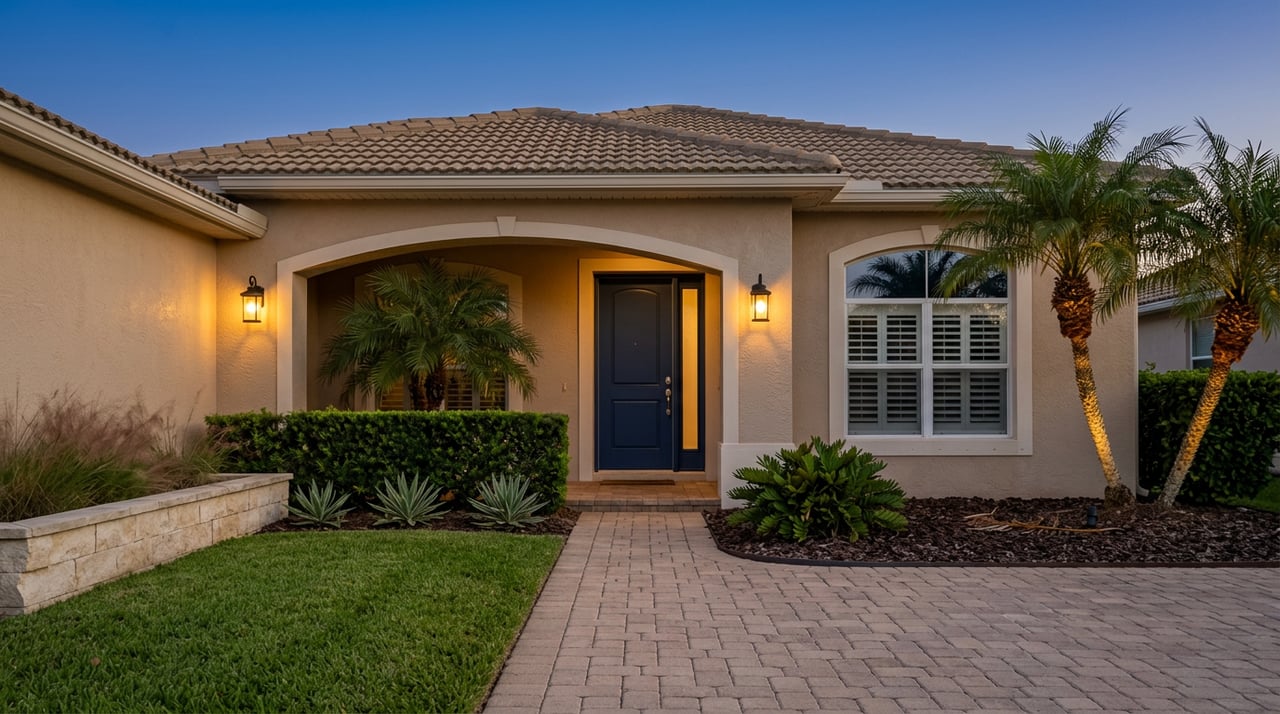
- Front entry appearance
- Driveway and walkways
- Lawn and landscaping
- Kitchen counters
- Bathroom surfaces
- Visible cords, bins, and small clutter
- Personal items left in bedrooms or living spaces
The camera picks up more than you think. A neat, simple look usually gives your home the best chance to make a strong first impression online.
Plan Showing Logistics Around Real Life
Busy sellers often worry that listing their home means giving up all control over their schedule. It does not have to work that way.
A showing plan should reflect your real life while still giving buyers reasonable access.
Set Clear Showing Boundaries
If certain times do not work for your household, decide that up front. You may need to block out work calls, evening routines, pet care windows, or other standing commitments.
A realistic showing schedule can reduce stress and help you stay consistent while your home is on the market.
Get Ahead Of Florida Disclosures
Florida sellers should identify required disclosures early rather than scramble once a contract arrives. This is one of the easiest ways to avoid preventable delays.
It is also an important part of keeping the transaction clear and well organized.
Flag These Items Early
Depending on your property, you may need to prepare or discuss:
- Known material defects that are not readily observable
- Known sanitary sewer lateral defects
- Flood disclosure information
- HOA disclosure summary
- Condo resale disclosure package
- Lead-based paint disclosure for most homes built before 1978
Florida law also requires a flood disclosure to the buyer at or before contract execution. The form notes that homeowners insurance does not cover flood damage and encourages discussion of separate flood insurance.
Understand A Few Closing Basics
You do not need to memorize every closing detail, but a few Florida-specific items are worth knowing as a seller in Melbourne.
These details can affect your planning, especially if you are selling on a tight timeline.
Be Ready For Tax And Recordation Costs
Florida documentary stamp tax applies to deeds that transfer Florida real property. The Florida Department of Revenue states that the tax is based on consideration at a rate of 70 cents per $100 or portion thereof.
Recorded mortgages and other liens are taxed separately at 35 cents per $100 of the secured amount. If your transaction involves negotiated closing costs, these items may come up in the conversation.
Keep Tax Records Handy Near Year-End
Because Brevard County property taxes follow an annual cycle, year-end closings may involve prorations that are easier to review when you have your latest tax statement or TRIM notice available.
This is a small detail, but it can help you stay organized during the final stretch.
Prepare For The Final Walk-Through
Shortly before closing, buyers typically complete a final walk-through. This is often scheduled 24 to 72 hours before closing and is used to confirm agreed repairs, check that fixtures and appliances remain, and make sure there is no new damage.
The easiest way to avoid stress here is to leave the home in the condition promised in the contract and keep agreed items in place through the walk-through.
Use A Handoff Checklist
Before closing day, make sure you:
- Remove all items that are not staying
- Leave behind anything the contract says will remain
- Confirm agreed repairs are complete
- Keep utility service on through the walk-through if required for contract performance
- Do a final sweep for trash or damage
A clean handoff helps the last step feel smooth for everyone involved.
Why Local Guidance Helps Busy Sellers
When you are short on time, the biggest win is often having someone keep the moving parts in order. Selling a home in Melbourne can involve repair triage, permit checks, disclosures, association paperwork, photography timing, showings, and closing follow-up.
That is a lot to manage on your own, especially if you are still living in the home. A local, relationship-first approach can help you stay organized, protect your time, and move forward with more confidence.
If you are getting ready to sell in Melbourne, Angelica Garcia can help you build a practical plan, stay ahead of paperwork, and keep your sale moving with clear, personal guidance.
FAQs
What should busy home sellers in Melbourne do first before listing?
- Start with a timeline, a repair walkthrough, and a paperwork folder so you can prioritize the tasks most likely to affect pricing, showings, and closing.
What repairs matter most when selling a home in Melbourne?
- Focus first on visible issues, water intrusion clues, safety-related items, HVAC or plumbing concerns, exterior wear, and anything likely to stand out in inspection reports or listing photos.
What documents should Melbourne sellers gather before accepting an offer?
- Gather tax records, permit records, repair invoices, contractor contacts, HOA or condo documents, and any required disclosure information such as flood, sewer lateral, or lead-based paint materials when applicable.
What HOA documents do Melbourne sellers need in Florida?
- If your property is in an HOA, you should be ready to provide the required disclosure summary before the contract is signed.
What condo documents do Melbourne condo sellers need in Florida?
- Condo sellers typically need the declaration, articles, bylaws, rules, the most recent annual financial statement and budget, and the FAQ document if requested, plus applicable inspection or reserve-related disclosures.
How early should Melbourne sellers request an estoppel certificate?
- Request it as early as possible because HOA and condo estoppel certificates can take time and may delay closing if you wait.
Do Melbourne sellers need to disclose flood or sewer issues?
- Yes, Florida requires a flood disclosure at or before contract execution and requires disclosure of known sanitary sewer lateral defects before the contract is executed.
What happens at the final walk-through before closing in Florida?
- Buyers usually verify agreed repairs, confirm fixtures and appliances remain, and check that the property condition matches what was promised in the contract.